
Rescue & Wildlife Resources
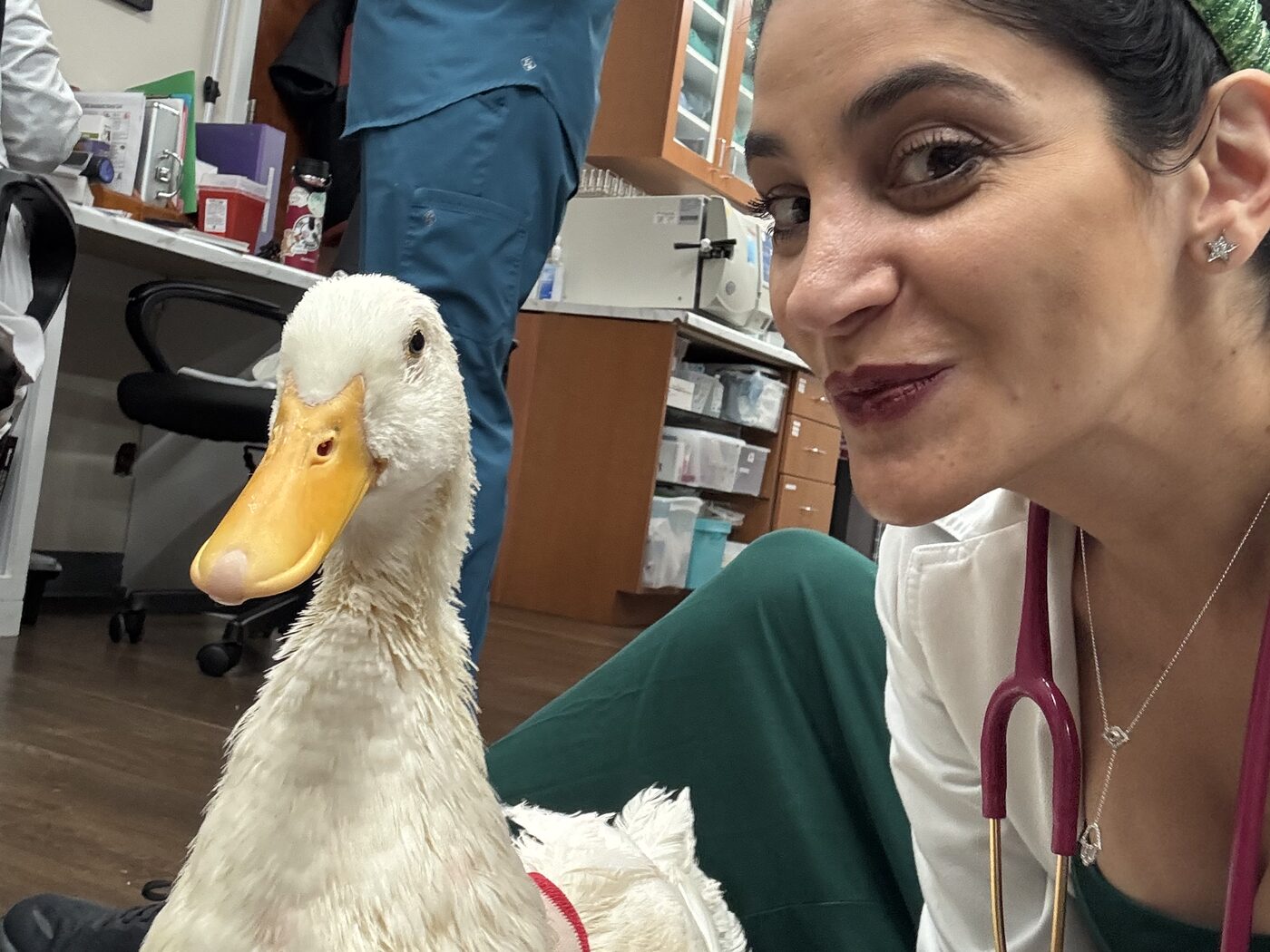
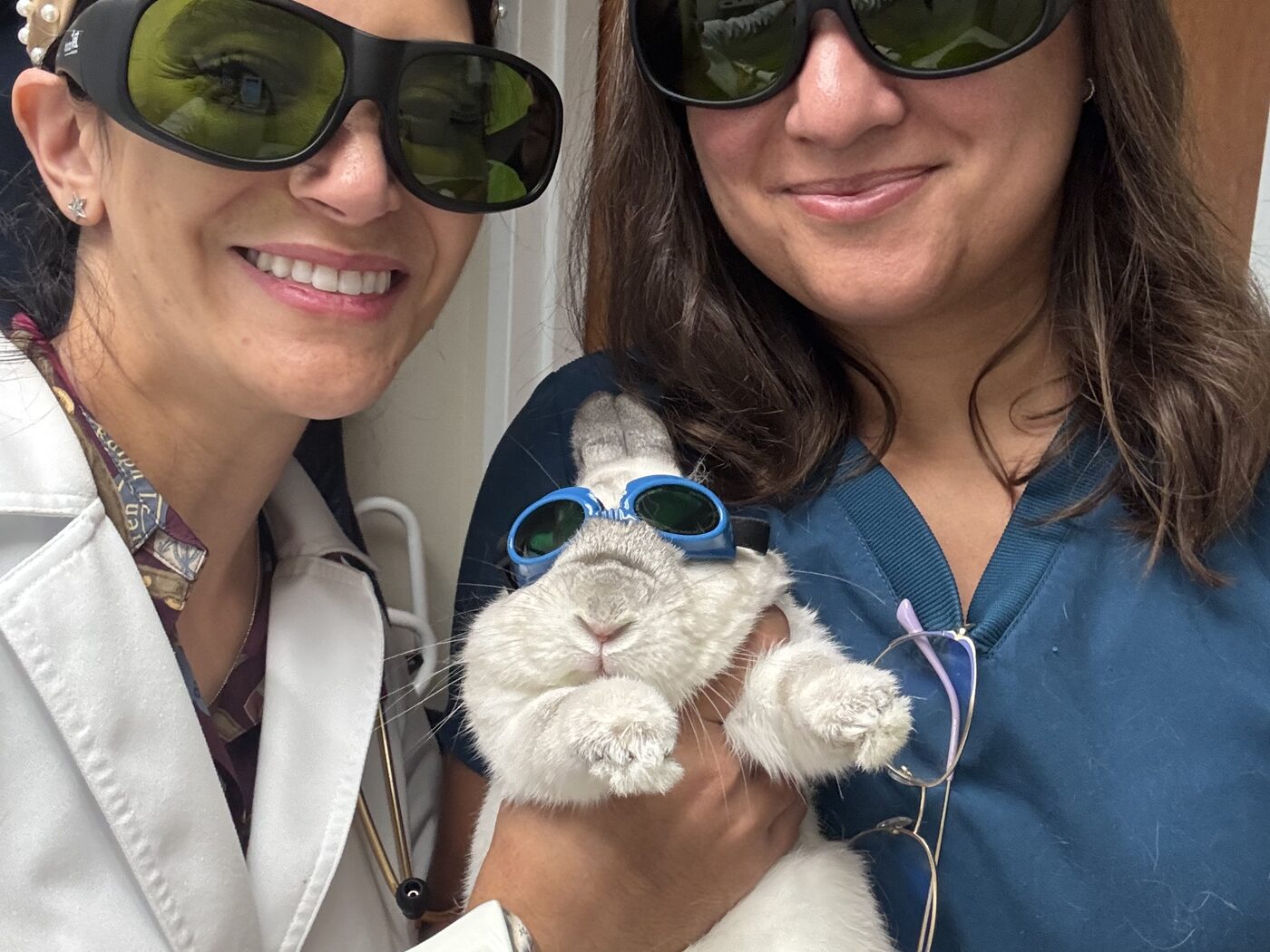
At Wandering Wings, we believe that every animal deserves a safe, loving, and lifelong home. Whether you’re looking to welcome a feathered, furry, or scaly companion into your family, need assistance rehoming a cherished pet, or have encountered injured wildlife, we’re committed to helping connect you with the right resources.
Companion Bird & Exotics Rescue Partners
Looking to Adopt?
If you’re considering adding a bird or exotic pet to your family, we encourage you to consider adoption before purchasing from a pet store. We are also able to connect you with verified breeders if a specific species is desired.
Thousands of wonderful parrots and companion birds are searching for permanent, loving homes. Many have already received veterinary care, are socialized, and simply need a second chance with the right family.
Below is a list of trusted rescue organizations that share our commitment to excellent avian welfare.
Need to Rehome Your Bird?
Life circumstances can change, and we understand that difficult decisions sometimes become necessary.
If you can no longer care for your bird, please know that you are not alone. Rather than surrendering your bird to uncertain circumstances or attempting to rehome through unverified online marketplaces, we encourage you to work with reputable avian rescue organizations that carefully screen adopters and prioritize each bird’s long-term welfare.
Our trusted rescue partners can often assist with:
- Safe surrender and intake
- Adoption matching
- Behavioral evaluation
- Medical assessment
- Foster placement
- Educational support for new owners
Whenever possible, we recommend contacting a rescue organization (see above) before an emergency arises so that the transition can be planned with your bird’s best interests in mind.
Know Who to Call
Finding an injured wild bird or wild animal can be stressful, but the right response can make all the difference.
If you discover an injured native wild bird or other wild animal, please contact a licensed wildlife rehabilitator or your state wildlife agency as soon as possible. These professionals are specially trained and legally permitted to care for injured wildlife until it can safely return to the wild.
If you are unsure who to contact, Wandering Wings is happy to help direct you to the appropriate wildlife rehabilitation resources in your area.
Wildlife Resources
Southeast Florida
Licensed Wildlife Rehabilitators
For the most up-to-date list of state-permitted wildlife rehabilitators, visit:
Wildlife Hospitals & Rehabilitation Centers
- Sawgrass Nature Center & Wildlife Hospital (Coral Springs)
- South Florida Wildlife Center (Fort Lauderdale) – One of the nation’s busiest wildlife hospitals, treating thousands of native wild animals annually.
- Wildlife Rescue of Dade County (Homestead)
- Busch Wildlife Sanctuary (Jupiter) – Wildlife hospital, rehabilitation center, and environmental education facility.
- Marathon Wild Bird Center (Marathon)
- Pelican Harbor Seabird Station (Miami) – Specializes in seabirds, shorebirds, pelicans, and other native wildlife.
- Florida Keys Wild Bird Center (Tavernier) – Rescue, rehabilitation, and release of injured wild birds throughout the Keys.
- Wild Bird Hospital – Florida Keys Wild Bird Center (Tavernier)
New York
Licensed Wildlife Rehabilitators
The New York State Department of Environmental Conservation maintains a searchable directory of licensed wildlife rehabilitators organized by county.
Useful resources:
Wildlife Hospitals & Organizations
- NYC Bird Alliance (formerly NYC Audubon) – Guidance for injured wild birds and bird conservation.
- Toms River Avian Care (New Jersey) – Valuable referral option for residents near the NY/NJ region.
New England
Because each New England state licenses wildlife rehabilitators independently, we recommend contacting the appropriate state wildlife agency first.
- Connecticut — Connecticut Department of Energy & Environmental Protection (DEEP)
- Maine — Maine Department of Inland Fisheries & Wildlife
- Massachusetts — Massachusetts Division of Fisheries & Wildlife (MassWildlife)
- New Hampshire — New Hampshire Fish & Game Department
- Rhode Island — Rhode Island Department of Environmental Management
- Vermont — Vermont Fish & Wildlife Department
Each agency maintains a current list of licensed wildlife rehabilitators within its state.
24-Hour Wildlife Resources
Animal Help Now (AHNow)
Perhaps the single most valuable wildlife resource in North America.
AHNow instantly connects users to:
- Licensed wildlife rehabilitators
- Emergency wildlife veterinarians
- Poison resources
- Wildlife agencies
- Animal rescue organizations
Visit ahnow.org and enter your ZIP code or allow location services to find the closest available assistance. It is widely recommended by wildlife professionals across the United States.
New York Emergency Wildlife Assistance
During Business Hours
Contact your local New York State Department of Environmental Conservation (DEC) Wildlife Office or a licensed wildlife rehabilitator.
Nights, Weekends & Holidays
New York Environmental Conservation Police Dispatch
1-844-DEC-ECOS (1-844-332-3267)
Florida Wildlife Assistance
For injured, orphaned, or distressed wildlife:
- Contact the nearest licensed wildlife rehabilitator.
- If the animal is in immediate danger or poses a public safety concern, contact the Florida Fish & Wildlife Conservation Commission (FWC) regional office or law enforcement.
Before You Rescue…
Please remember:
Most baby birds and many young mammals are not orphaned.
If a young wild animal appears healthy and has no visible injuries, leave it where you found it. Parents are often nearby, quietly watching and returning periodically to feed and protect their young. Removing healthy newborns or fledglings unnecessarily can reduce their chances of survival. If you’re unsure whether intervention is needed, contact a licensed wildlife rehabilitator before moving the animal.
If You Find a Baby Wild Animal
In most cases, the best thing you can do is leave young wild animals exactly where you found them.
Many baby birds and mammals that appear to be alone are not orphaned. Their parents are often nearby, quietly watching and continuing to provide food and protection while avoiding attracting predators.
Unless a newborn or young animal has an obvious injury, is in immediate danger, or its parent is confirmed deceased, it should not be removed from its natural environment.
Examples of situations where intervention may be appropriate include:
- Visible bleeding or open wounds
- A broken wing or limb
- Attack by a cat or dog
- Entanglement in fishing line, netting, or other debris
- Collision with a vehicle or window resulting in inability to move normally
- Immediate danger from traffic, construction, flooding, or other hazards
If you are uncertain whether intervention is necessary, contact a licensed wildlife rehabilitator before moving the animal whenever possible.
If an Injured Wild Bird Needs Transport
If instructed by a wildlife rehabilitator to transport an injured bird:
- Place the bird in a small, well-ventilated cardboard box or pet carrier lined with a soft towel.
- Keep the animal warm, quiet, and away from children and pets.
- Minimize handling to reduce stress.
- Do not offer food, water, or medications unless specifically instructed by a wildlife professional.
Stress alone can be life-threatening for many wildlife species, so quiet, gentle handling is one of the most important forms of first aid.
Our Commitment to Wildlife
Wildlife conservation is at the heart of Wandering Wings.
Through education, responsible stewardship, and collaboration with licensed wildlife rehabilitators and conservation organizations, we hope to inspire our community to protect the remarkable birds and wildlife that share our environment.
Every thoughtful action—whether adopting a rescue bird, helping rehome a beloved companion, or ensuring an injured wild animal reaches the right hands—helps create a brighter future for animals both wild and domestic.
Long Island Rescue Directory
Rabbits
All About Rabbits Rescue
allaboutrabbitsrescue@gmail.com
Long Island Rabbit Rescue
information@longislandrabbitrescue.org
Rabbit Rescue & Rehab
nyc.metro.rabbits@gmail.com
Domestic Birds
Long Island Budgie Rescue
Based in Levittown. Helps to reunite and rehome domestic birds.
Message us on Facebook or leave a message at: 516-320-4398
Parrots
Feathered Friends Parrot Adoption Services, Inc.
nycparrot@verizon.net
718-478-8461
Long Island Parrot Society
631-957-1100
info@liparrotsociety.org
Ferrets
AFC Ferret Connection
www.facebook.com/afcaferretconnection
Multiple Species
Guinea pigs, birds, reptiles, others
Empty Cages Collective
info@emptycagescollective.org
800-880-2684
STAR Foundation
info@savetheanimalsrescue.org
631-736-8207
Wildlife Rescue and Rehabilitation
Evelyn Alexander Wildlife Rehab Center
631-728-9453
STAR Foundation
info@savetheanimalsrescue.org
631-736-8207
Volunteers for Wildlife
516-674-0982
wildlifeadvisory@gmail.com
info@volunteersforwildlife.org