

Found an Injured Wild Bird or Wild Animal?
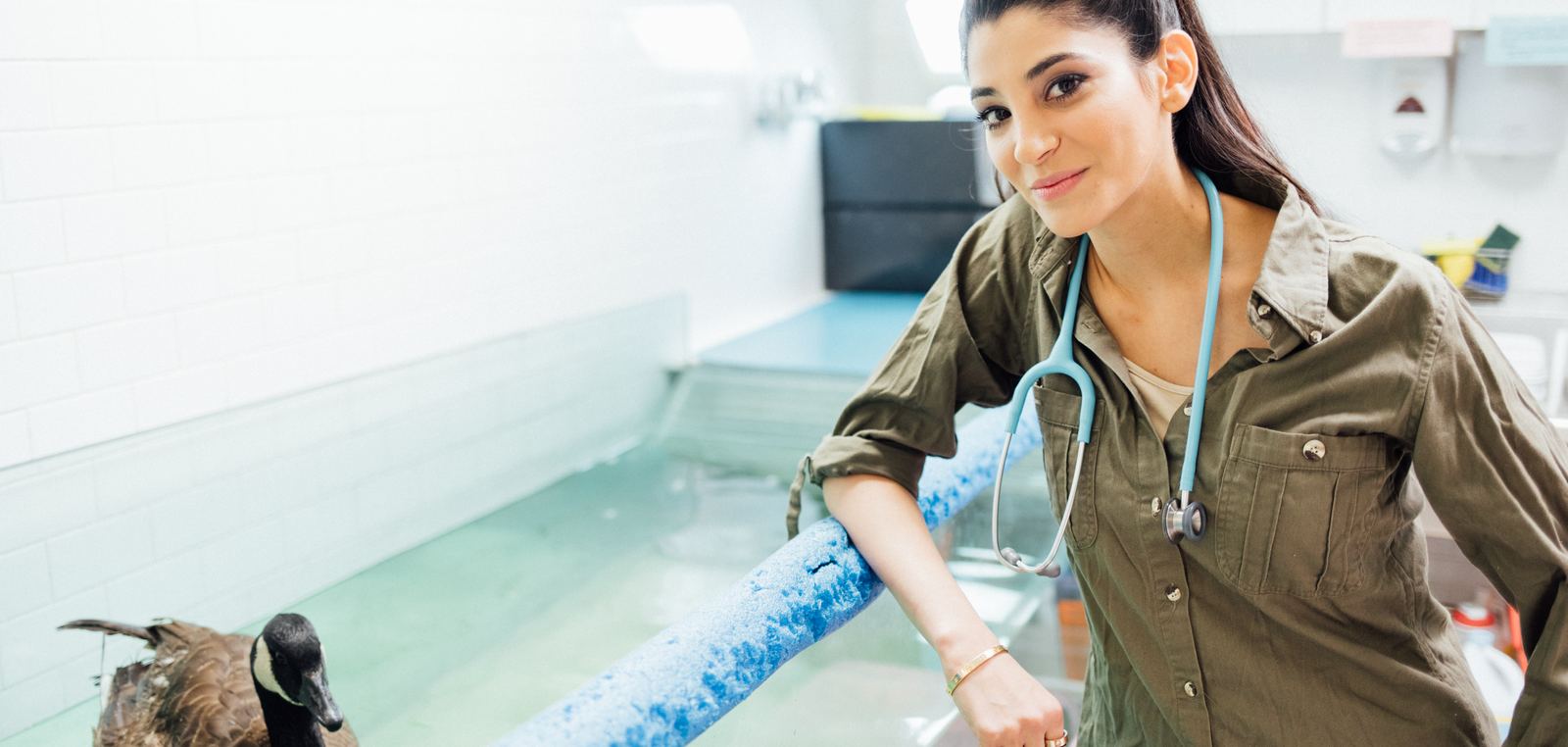
Finding an injured, orphaned, or distressed wild animal can be alarming. Your instinct may be to help immediately—and that’s admirable—but the best first step is ensuring the animal receives care from trained wildlife professionals.
At Wandering Wings, we are passionate about wildlife conservation and are happy to provide guidance on the safest next steps. However, because wildlife rehabilitation is regulated by state and federal law, native wild animals often require care from licensed wildlife rehabilitators and permitted wildlife facilities.
Before You Intervene
Many young wild animals are not orphaned.
Baby birds that have recently left the nest (called fledglings) often spend several days on the ground while their parents continue feeding and protecting them. Unless the bird is visibly injured or in immediate danger, it is usually best to observe from a distance before intervening.
Similarly, many young mammals are intentionally left alone for extended periods while their mothers forage nearby.
When in doubt, contact a wildlife professional before attempting a rescue.
If the Animal Is Injured
- Bleeding or obvious wounds
- Broken wings or limbs
- Difficulty standing or flying
- Collision with a window or vehicle
- Cat or dog attack
- Fishing line or net entanglement
- Burns or chemical exposure
- Severe weakness or inability to move
- Visible neurological abnormalities
- Orphaned neonates with no evidence of parental care
What You Can Do
- Gently place the animal in a well-ventilated box lined with a soft towel.
- Keep the box warm, quiet, and away from children and pets.
- Minimize handling, as excessive stress can be life-threatening for wildlife.
- Do not offer food or water unless instructed by a licensed wildlife rehabilitator or veterinarian.
- Contact a licensed wildlife rehabilitator as soon as possible.
Please Do Not
- Attempting to raise wild babies yourself
- Feeding bread, milk, or inappropriate foods
- Giving medications intended for people or pets
- Keeping native wildlife as pets
- Handling animals unnecessarily
- Delaying professional evaluation when serious injuries are present
How Wandering Wings Can Help
- Help determine whether an animal likely needs professional intervention
- Direct you to licensed wildlife rehabilitators or wildlife agencies
- Answer general questions about safely transporting injured wildlife
- Assist with identification when possible
- Coordinate with wildlife professionals when appropriate
Wildlife Help Near You
Find a Licensed Rehabilitator by State
Wildlife Hotlines & After-Hours Help
Animal Help Now
ahnow.orgNationwide wildlife emergency locator. Uses the finder’s location, species, date, and time to identify nearby wildlife resources. This is an online locator—not a staffed emergency hotline.
Florida FWC Wildlife Alert
1-888-404-3922Contact FWC for wildlife-related guidance, protected-species incidents, serious public-safety situations, or when an appropriate permitted rehabilitator cannot be reached.
New York DEC
1-844-332-32671-844-DEC-ECOS. On weekdays, contact the appropriate DEC regional wildlife office or a licensed rehabilitator. On weekends, DEC directs callers to its Environmental Conservation Officer dispatch line or a rehabilitator.
New York City 311
311Or 212-639-9675. Municipal resource for injured or sick animals within New York City. Available assistance and hours vary.
Wildlife Conservation Begins with Compassion
Every rescued wild animal represents an opportunity to protect our shared natural world.
Whether you find a songbird that has struck a window, an injured owl, an orphaned squirrel, or another native species in need, your willingness to act responsibly can make all the difference.
Together, we can help ensure wildlife receives the expert care it deserves.